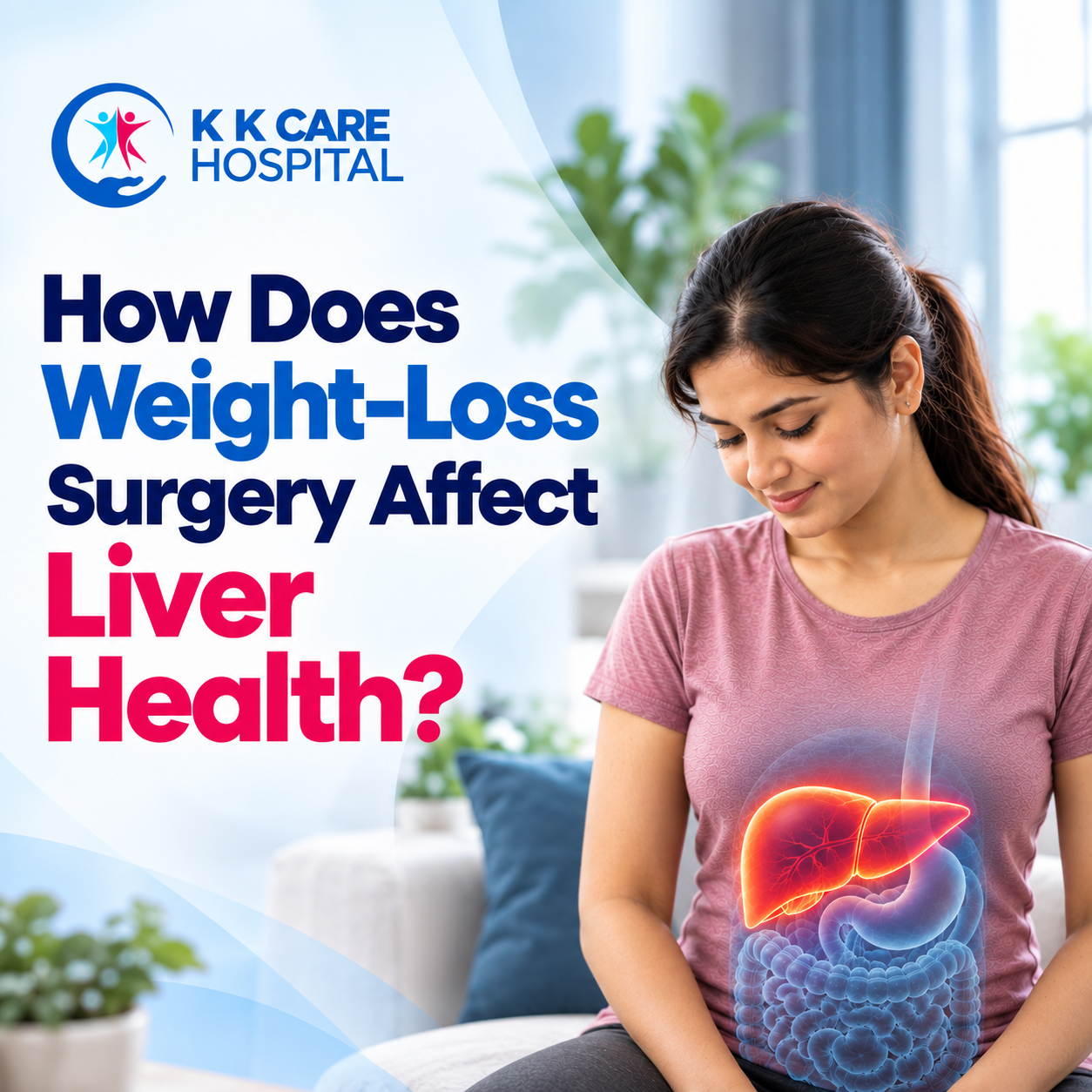
Searching for fatty liver disease surgery usually means one question: is there an operation that fixes my liver? Not directly. No surgery removes fat from the liver. But bariatric surgery, a weight-loss operation, often reverses fatty liver by changing the thing that drives it, excess body weight. This guide covers how it works, who qualifies and what risks to weigh.
Fatty Liver Surgery and Removal Surgery Explained
No fatty liver removal surgery exists. Fat sits inside liver cells, so there is nothing to cut out. Doctors treat fatty liver, now called MASLD (metabolic dysfunction-associated steatotic liver disease), by reducing weight, controlling diabetes and cholesterol, and sometimes adding medicines. Losing 7 to 10 percent of body weight is enough to reduce liver fat in many people.
Surgery comes into the picture only when obesity is the cause and other methods have not worked. A liver transplant is a different operation, reserved for end-stage liver failure.
Symptoms of Fatty Liver and When to Get Checked
Most people with early fatty liver feel nothing, which is why it is often found by accident on an ultrasound. When symptoms of fatty liver do show up, they include constant tiredness, a dull ache or heaviness in the upper right abdomen, and a feeling of fullness. Advanced disease can cause yellow eyes or skin, itching, swelling in the legs or belly, and easy bruising.
See a gastroenterologist in Charholi if you carry weight around the waist and also have diabetes, high triglycerides or raised liver enzymes. A FibroScan and blood tests show how much fat and scarring is present.
Bariatric Surgery for Fatty Liver and How It Works
Weight loss does the work. As body fat falls, the liver stores less fat, insulin resistance improves and inflammation settles. A contemporary meta-analysis found that bariatric surgery improves liver fat and inflammation in most patients, and improves or resolves fibrosis, the scarring, in about 30%. In a recent FibroScan study, 13 of 18 patients with severe fibrosis showed resolution about seven months after surgery.
Most of this evidence is observational, so treat it as a strong signal rather than a guarantee. Results also depend on keeping the weight off, since weight regain after surgery can worsen MASLD or delay its improvement.
Which Bariatric Surgery Is Best for Fatty Liver
Sleeve gastrectomy and Roux-en-Y gastric bypass are the two procedures with the strongest liver data, and both significantly improve liver health. Sleeve gastrectomy removes about 80 percent of the stomach and is technically simpler. Gastric bypass reroutes the intestine and often controls diabetes and acid reflux better. You can read more in our guide to the types, benefits and risks of bariatric surgery.
Your surgeon chooses based on BMI, diabetes, reflux and the stage of liver scarring. There is no single rule.
Fatty Liver Surgery Risk and Who Should Avoid It
Bariatric surgery carries the usual risks of abdominal surgery: bleeding, infection, leaks along the staple line, blood clots, gallstones and vitamin deficiencies. A fatty liver adds two concerns. An enlarged, fragile liver is harder to work around, so surgeons often prescribe a low-calorie diet for about two weeks beforehand to shrink it. And in rare cases, severe liver decompensation has been reported after malabsorptive procedures.
Surgery is also not for people with fatty liver at a normal weight. They need diet, exercise and medical management.
Who Qualifies and What Recovery Looks Like
Asian-adjusted guidelines consider surgery at a lower BMI than Western ones, especially with type 2 diabetes, high blood pressure, sleep apnoea, or fatty liver with fibrosis. Most programs also expect that diet, exercise and medicines have not worked. The work-up usually includes a FibroScan, blood tests, an endoscopy, a heart and anaesthesia check, and a dietitian review.
Laparoscopic surgery in PCMC means keyhole incisions and a short hospital stay of a few days. Liver fat and enzymes typically fall over the first six to twelve months, and a repeat FibroScan tracks progress. Protein-rich meals, vitamin supplements, regular follow-up and no alcohol protect the result.
Fatty Liver Treatment in Pune at KK Care Hospital
At KK Care Hospital in Charholi, fatty liver care starts with our gastroenterology team, which treats liver disorders and performs endoscopic procedures. They grade liver fat and scarring and rule out other causes. If obesity is driving the disease, Dr. Shrikant Kurhade, a laparoscopic and bariatric surgeon in Pune, reviews whether weight-loss surgery is right for you. KK Care uses laparoscopic techniques for its bariatric procedures, which means minimal scarring and faster recovery.
Get Your Liver Checked at KK Care Hospital, Charholi
Early fatty liver can often be reversed. Our gastroenterology and bariatric surgery team will assess your liver, tell you honestly whether surgery makes sense, and build a plan around your health.
Frequently Asked Questions
Q: Can fatty liver disease surgery cure fatty liver?
A: Bariatric surgery can reverse fatty liver in many patients by driving weight loss, but it is not a guaranteed cure. Fat can return if weight returns, so lifestyle habits still matter.
Q: Is there fatty liver removal surgery?
A: No. Fat cannot be surgically removed from the liver. Transplant is only for end-stage liver failure.
Q: How long does the liver take to improve after bariatric surgery?
A: Liver enzymes and fat often start falling within weeks and improve markedly over six to twelve months. Scarring recovers more slowly and not in everyone.
Q: What are the first symptoms of fatty liver?
A: Usually none. When they appear, fatigue and a dull ache in the upper right abdomen are the earliest signs.
Q: What is the biggest fatty liver surgery risk?
A: General surgical complications, plus a small chance of liver injury, which is higher in people with cirrhosis. A full liver assessment before surgery lowers the risk.