Struggling with obesity despite months of dieting and exercise? You are not alone. For many people, lifestyle changes alone are not enough to achieve meaningful, lasting weight loss — especially when excess weight is affecting their health, mobility, and quality of life.
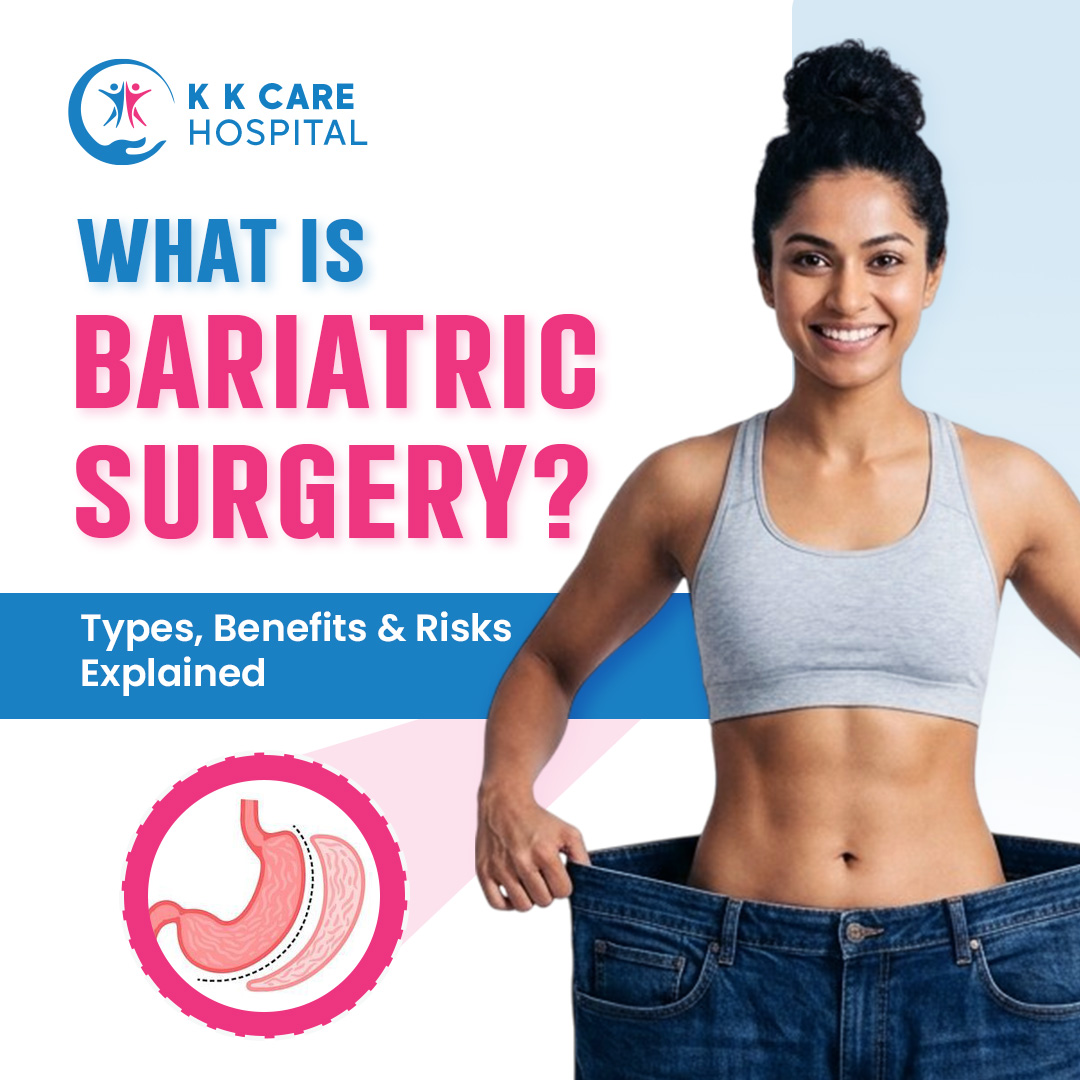
Bariatric surgery is a proven, medically supervised solution for severe obesity. It is not a cosmetic procedure or a shortcut — it is a life-changing treatment that helps people lose significant weight when other methods have failed. In this article, we break down what bariatric surgery is, the different types available, its key benefits, risks, and who it is right for.
What is Bariatric Surgery?
Bariatric surgery refers to a group of surgical procedures that help people lose weight by making changes to the digestive system. These procedures either reduce the size of the stomach, alter the route food takes through the digestive tract, or both — leading to reduced food intake and improved metabolic function.
It is typically recommended for individuals with a Body Mass Index (BMI) of 40 or above, or a BMI of 35 and above with serious obesity-related health conditions such as Type 2 diabetes, hypertension, or sleep apnoea. Bariatric surgery is performed by experienced surgeons and is backed by decades of clinical research.
At KK Care Hospital’s Bariatric Surgery department, our specialists evaluate each patient thoroughly to determine the most suitable approach for their health profile.
Types of Bariatric Surgery
Different patients require different solutions. Here are the most commonly performed types of bariatric surgery:
1. Sleeve Gastrectomy (Gastric Sleeve)
In this procedure, roughly 75–80% of the stomach is surgically removed, leaving a narrow, sleeve-shaped stomach. This significantly limits food intake and reduces hunger-inducing hormones. It is one of the most widely performed bariatric procedures today due to its effectiveness and relatively lower complication rate.
2. Roux-en-Y Gastric Bypass
Considered the gold standard of weight loss surgery, gastric bypass involves creating a small stomach pouch and rerouting the small intestine to connect directly to it. This both restricts food intake and reduces calorie absorption. It is particularly effective for patients with Type 2 diabetes.
3. Adjustable Gastric Band (Lap-Band)
A silicone band is placed around the upper part of the stomach, creating a small pouch that limits how much food a person can eat at one time. Unlike other procedures, it is reversible and does not involve cutting or stapling the stomach.
4. Biliopancreatic Diversion with Duodenal Switch (BPD/DS)
This is a more complex procedure that combines a sleeve gastrectomy with an intestinal bypass. It results in significant weight loss and is often recommended for patients with very high BMI, though it carries a higher risk profile and requires close post-operative follow-up.
Our General Surgery team at KK Care uses advanced laparoscopic techniques for all bariatric procedures, ensuring minimal scarring and faster recovery.
Bariatric Surgery Benefits
The bariatric surgery benefits go far beyond the number on a weighing scale. Here is what patients commonly experience:
- Significant, Sustained Weight Loss Most patients lose 50–70% of their excess body weight within the first year following surgery.
- Remission or Improvement of Obesity-Related Conditions This is one of the most compelling benefits of bariatric surgery. Conditions like Type 2 diabetes often improve dramatically — sometimes going into full remission — within weeks of surgery, even before significant weight loss occurs. Patients also see improvements in high blood pressure, sleep apnoea, joint pain, and fatty liver disease. Our Diabetes specialists at KK Care work closely with the bariatric team to manage metabolic outcomes.
- Better Heart Health Obesity is a major risk factor for heart disease. Weight loss following surgery reduces cholesterol levels, blood pressure, and cardiovascular risk. Learn more about heart health support at KK Care’s Cardiology department.
- Improved Mobility and Joint Health Reduced body weight takes significant pressure off the knees, hips, and spine — leading to less pain and better mobility. Patients often work with our Physiotherapy & Rehabilitation team post-surgery to rebuild strength and endurance.
- Enhanced Mental Health and Quality of Life Studies consistently show that patients report improved self-confidence, reduced depression, better sleep, and greater social participation after successful weight loss surgery.
Risks of Bariatric Surgery
Like any major surgical procedure, bariatric surgery carries risks. It is important to understand these before making a decision.
Short-Term Risks:
- Infection at the surgical site
- Blood clots (deep vein thrombosis)
- Nausea, vomiting, or digestive discomfort
- Adverse reactions to anaesthesia — managed by our experienced Anaesthesiology team
Long-Term Risks:
- Nutritional deficiencies (iron, Vitamin B12, calcium) requiring lifelong supplementation
- Dumping syndrome — rapid passage of food into the small intestine causing nausea and dizziness
- Weight regain if dietary and lifestyle guidelines are not followed
- In rare cases, surgical complications requiring revision surgery
The good news is that with a skilled surgical team, thorough pre-operative evaluation, and structured post-operative care, these risks are significantly minimised.
Pros and Cons of Weight Loss Surgery: A Balanced View
Understanding the pros and cons of weight loss surgery helps patients make an informed decision.
| Pros | Cons |
| Long-term, sustained weight loss | Requires lifelong dietary changes |
| Resolves or improves diabetes, BP, sleep apnoea | Surgical risks and recovery period |
| Reduced heart disease risk | Nutritional supplements needed lifelong |
| Improved mobility and joint health | Not suitable for everyone |
| Better mental health and self-image | Requires psychological readiness |
| Can increase life expectancy | Insurance coverage varies |
Bariatric surgery is not a quick fix — it is a commitment. Patients who succeed are those who treat surgery as a tool, not a cure, and actively adopt healthier habits post-operatively.
How Safe is Bariatric Surgery?
A common concern among patients considering this procedure is: how safe is bariatric surgery?
When performed by experienced surgeons in a well-equipped hospital, bariatric surgery has a very strong safety profile. The mortality rate for bariatric procedures is less than 0.3% — comparable to common procedures like gallbladder surgery. The risks of not treating severe obesity — including heart disease, stroke, diabetes complications, and reduced life expectancy — are often far greater than the risks of the surgery itself.
At KK Care Hospital, patient safety is central to everything we do. From pre-operative health screenings and dietitian consultations to post-operative monitoring and follow-up care, our multidisciplinary team ensures you are supported at every stage of your journey.
Who is a Good Candidate for Bariatric Surgery?
You may be a suitable candidate if you:
- Have a BMI of 40 or above
- Have a BMI of 35+ with conditions like Type 2 diabetes, hypertension, or sleep apnoea
- Have tried and failed to lose weight through diet, exercise, and medication
- Are psychologically prepared for long-term lifestyle changes
- Are between 18–65 years of age (evaluated case by case outside this range)
A thorough consultation with our bariatric specialists will help determine the most appropriate procedure for your specific condition and goals.
Take the First Step Toward a Healthier Life
If you have been living with severe obesity and its complications, bariatric surgery could be the turning point you have been looking for. At KK Care Hospital, Charholi, Pimpri Chinchwad, our experienced bariatric surgeons and multidisciplinary team are here to guide you — from your first consultation to your long-term recovery.
Frequently Asked Questions (FAQ)
Q1: What is bariatric surgery in simple terms?
Bariatric surgery is a medical procedure that modifies your stomach or digestive system to help you eat less, absorb fewer calories, and lose significant weight — especially when diet and exercise alone have not worked.
Q2: How safe is bariatric surgery?
When performed by trained surgeons at a quality hospital, bariatric surgery is very safe. The risk of serious complications is low, and the long-term health benefits for obese patients typically outweigh the surgical risks significantly.
Q3: What are the main benefits of bariatric surgery?
The key benefits of bariatric surgery include sustained weight loss, remission of Type 2 diabetes, lower blood pressure, improved heart health, better sleep, reduced joint pain, and an overall improvement in quality of life.
Q4: What are the risks of bariatric surgery I should know about?
Risks include short-term surgical complications like infection or blood clots, and long-term concerns such as nutritional deficiencies or weight regain. Most risks can be managed effectively with proper pre-operative screening and post-operative care.
Q5: What are the pros and cons of weight loss surgery?
The main pros are significant health improvements and sustained weight loss. The cons include the need for lifelong dietary adjustments, nutritional supplementation, and a commitment to follow-up care. It is a major decision that requires careful thought and medical guidance.
Q6: How long is recovery after bariatric surgery?
Most patients are discharged within 2–3 days and return to normal activities within 3–4 weeks. Full recovery and optimal results are typically seen over 12–18 months with proper follow-up.
Q7: Which type of bariatric surgery is best for me?
The right type depends on your BMI, existing health conditions, lifestyle, and surgical history. A consultation with our bariatric team at KK Care Hospital will help identify the best option for you.