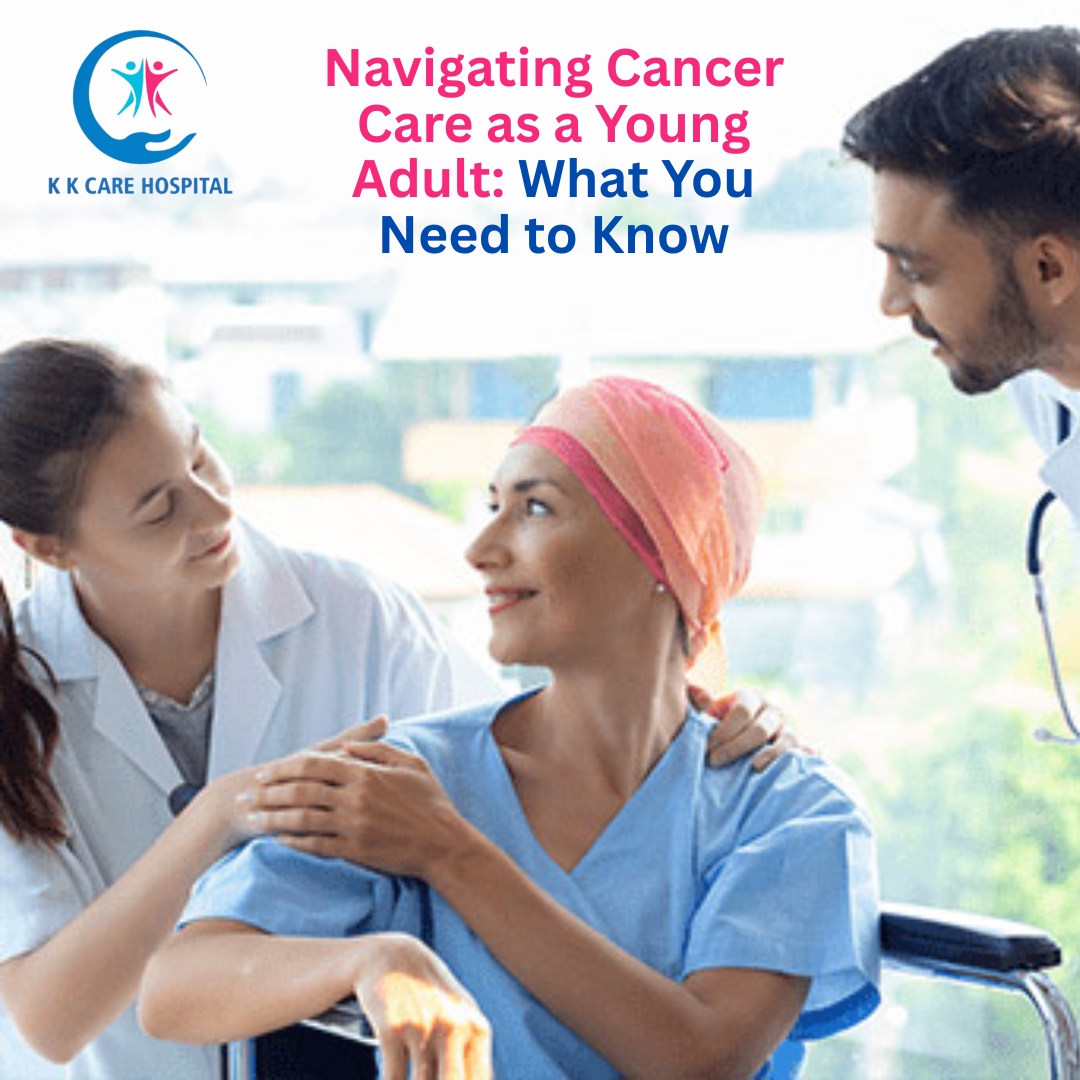
Facing a cancer diagnosis as a young adult can feel like navigating uncharted waters. While much of the conversation around cancer focuses on older adults, individuals aged roughly 15‑39 — sometimes referred to as adolescents and young adults (AYAs) — face unique challenges and opportunities.
Why Young Adult Cancer Care Is Different
Cancer in young adults is different — not just in age, but in life stage. Many are completing education, starting careers, building relationships, or planning families. A diagnosis can disrupt all of this.
Common cancers and trends: According to the National Cancer Institute (NCI), among those aged 15‑39, common cancers include breast, thyroid, melanoma, testicular, and colorectal. Moreover, younger adults may present with more advanced disease and have different biological behavior and needs than older patients.
Unique challenges:
- Diagnosis delays: Younger people may be mis‑diagnosed or their symptoms dismissed, causing delays.
- Psychosocial impact: Issues like body image, fertility, dating, and career disruption become more acute.
- Survivorship issues: Young survivors may live many decades after treatment, but have to manage “late‑effects” (health problems that develop long after treatment).
- Recognizing these differences is the first step to ensuring you receive care tailored to your age and life stage.
Building Your Young Adult Cancer Care Team
When you’re a young adult facing cancer, look beyond simply “an oncologist” — you’ll want a team that understands both your cancer type and your life circumstances.
Key considerations:
- Seek an oncologist familiar with your specific cancer type and with Young Adult (AYA) patients. NCI recommends treatment in centers with AYA expertise.
- Ask for a second opinion. Given the complexity and evolving nature of cancer care, another expert’s view might open up additional options.
- Ensure your team includes more than medical doctors: you may need a fertility specialist, psychosocial support (counsellor, social worker), a survivorship expert, career/educational counsellor and a mentor‐peer who’s been through it.
Questions to ask:
- How might this treatment affect fertility, future pregnancies or family‑planning?
- How will treatment impact my ability to work or study?
- What are the short‑ and long‑term side effects I should expect?
- Who do I talk to about body‑image, relationships and emotional health during treatment?
By assembling a holistic team, you’re better positioned to address both your cancer and your broader life.
Fertility, Family Planning & Future Goals
One of the biggest concerns for young adults with cancer is what comes after. You may be at a stage where having children, building a family or preserving fertility matters.
Key facts:
- Treatments like chemotherapy, radiation (especially pelvic), and some surgeries can impair fertility. NCI stresses discussing fertility before treatment begins.
- Preserving fertility might involve sperm banking, egg freezing, embryo preservation or ovarian shielding — depending on your situation and the cancer type.
- Even if fertility is preserved, pregnancy may need to be timed carefully with your remission status, and some treatments may affect pregnancy risks.
Tips:
- Raise the fertility question early — ideally before the first cycle of chemo or radiation.
- Consult a reproductive endocrinologist even if you are unsure about having children later.
- Ask about fertility cost, timelines, side‑effects, especially if delaying cancer treatment is a concern.
- Keep realistic expectations — fertility preservation does not guarantee a future pregnancy, but it increases your options.
By planning ahead, you preserve the right to choose for your future self.
Work, Education and Financial Life
At this age, many people are launching careers, completing studies or building their lives. A cancer diagnosis can disrupt all that — but with planning, you can maintain momentum.
Common hurdles:
- Treatment schedules, hospital visits and recovery time may conflict with classes, exams or work.
- Financial concerns: Younger adults may have less savings, more debt (e.g., student loans) and may lack employer benefits or sick leave. /
- Employment discrimination: You may worry about job security, insurance status or how employers will respond.
Strategies:
- Talk early with your employer or school about your diagnosis and treatment schedule — many institutions have policies to support this.
- Explore financial counselling and resources specific to young cancer patients. Some non‑profits offer scholarships or emergency funds.
- Keep detailed treatment records, and ask about “work accommodations” (part‑time work, flexible hours, remote options) as you recover.
- Consider working with career‑counselling services for amputations, limitation in mobility or role changes.
With support and planning, it’s possible to stay engaged in education or employment, even during treatment.
Emotional, Social & Relationship Concerns
Cancer at a young age often brings emotional and social disruption: you might feel out of sync with peers, face changes in body image, worry about intimacy and feel isolation.
Key issues:
- Young adults often report feeling “behind” peers: missing social events, career milestones or family‑building.
- Changes in appearance (hair loss, scars, weight changes) can impact self‑esteem and self‑image.
- Dating, sexuality and fertility concerns may feel awkward to discuss — yet these are important for quality of life.
- Anxiety about recurrence, long‑term health and “what comes next” can linger even after treatment ends.
Supportive steps:
- Join a peer support group for young adult cancer patients — sharing with people your age helps you feel less alone.
- Work with a counsellor or psychologist knowledgeable about young adult oncology — who can help with body‑image, relationships and coping.
- Be open with friends and family about how you feel, rather than trying to go it alone.
- Explore hobbies, social activities and meaningful work that help you reclaim your life identity outside of “being a patient”.
Emotional health is as vital as physical health. Taking care of this side helps you navigate treatment more resiliently.
Transitioning into Survivorship & Long‑Term Care
Completing treatment is a major milestone, but it isn’t the end of your journey. For young adult survivors, “what’s next?” matters a lot.
What to expect:
- Late effects: years after treatment you may face heart disease, second cancers, fertility issues, fatigue or bone health concerns.
- Follow‑up: You’ll need a detailed survivorship care plan indicating your diagnosis, treatments received, follow‑up schedules, screenings and lifestyle advice.
- Reintegration: Returning to school, work, social life or parenting may feel different — you might still feel physically or emotionally impacted.
What you can do:
- Keep copies (paper and digital) of your treatment summary and follow‑up care plan — these are valuable when switching doctors or moving to a new city.
- Maintain healthy lifestyle habits: balanced nutrition, regular exercise, no smoking, sun protection, and routine screenings.
- Stay connected with a survivorship clinic or young‑adult cancer programme, if available — they understand your long‑term risk profile.
- Accept that your “new normal” may not match life before cancer — but it can still be rich, meaningful and full of potential.
Survivorship means more than remission — it means living well after cancer.
Practical Tips for Young Adults Facing Cancer
- Ask questions: Don’t hesitate to ask your care team about anything — fertility, long‑term effects, financial aid, return to work.
- Get organized: Use a notebook/app to track symptoms, appointments, medications, side effects and questions.
- Build your support network: Friends, family, peer groups, mentors — the right support makes a difference.
- Priorities mental health: Recognize when you’re feeling anxious, depressed or overwhelmed — talk to a counsellor.
- Advocate for yourself: If something isn’t explained well or you haven’t been offered fertility discussion or second opinion — speak up. Guidelines say AYA patients should receive age‑appropriate care.
- Plan ahead: For returning to work/school, financial recovery, family planning or travel — a little planning takes stress out of uncertainty.
Final Thoughts
If you are a young adult navigating cancer care, remember that being young doesn’t mean you should accept “generic adult treatment.” You deserve care that recognizes your stage of life — your career, your relationships, your hopes and your future. With the right team, the right information, the right support and your own voice, you can navigate this journey with resilience, hope and a vision for life beyond cancer.
The road may be difficult, but it also holds meaning, strength and growth. At the end of the day, it’s not just about surviving — it’s about living well. If you’re looking for a center in the Pimpri‑Chinchwad / Pune region that supports young adult cancer care, our team at KK Care Hospital is ready to walk that path with you — helping you not just fight cancer, but reclaim your life.